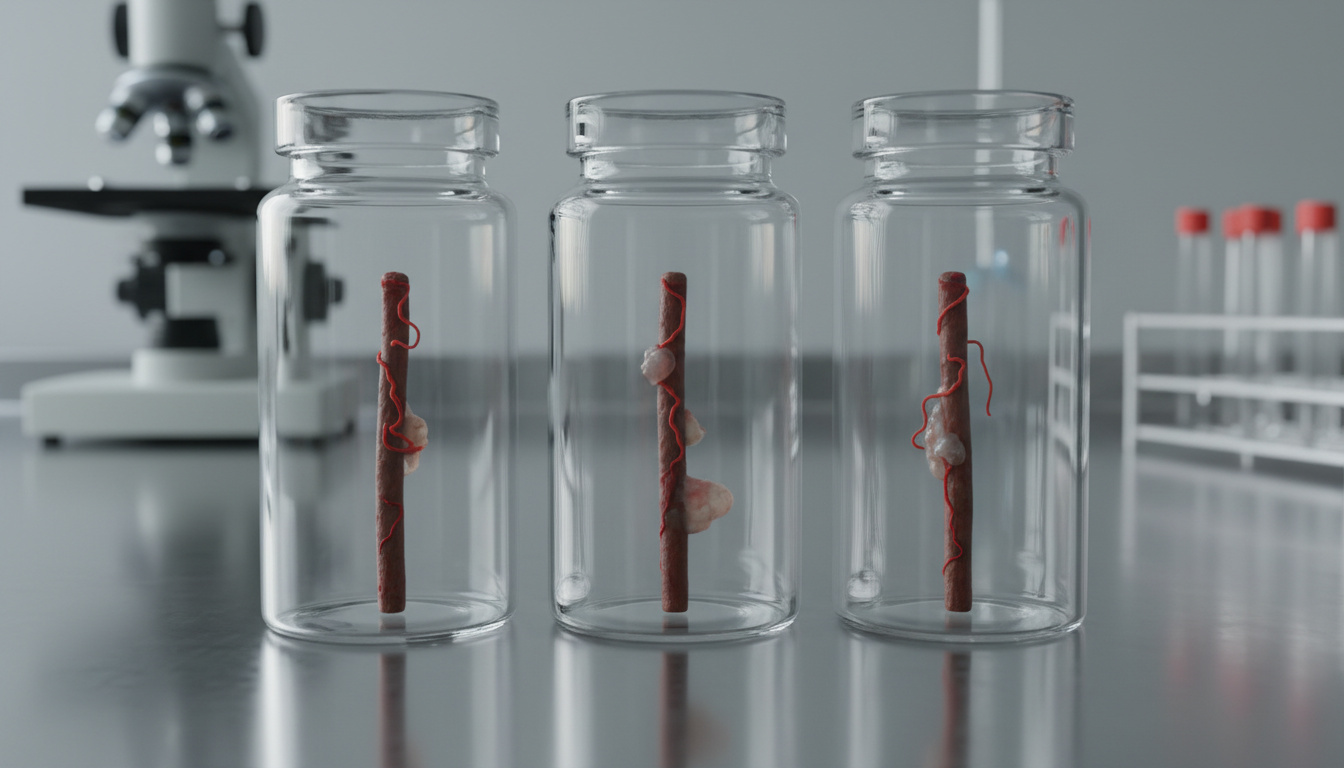
Diverticulitis triggers distinct changes in stool appearance during flare-ups. Patients may notice blood, altered consistency, or unusual shapes that differ from their normal bowel movements. These variations often signal inflammation or bleeding within the colon, requiring careful observation to distinguish between typical flare symptoms and serious complications.
The condition affects the digestive tract’s lower regions, typically the sigmoid colon. When pouches become inflamed or infected, they can bleed or narrow the intestinal passage, directly impacting what appears in the toilet bowl. According to the Mayo Clinic, sudden changes in bowel habits—including constipation or diarrhea—often accompany the severe abdominal pain characteristic of acute episodes.
Understanding these visual cues helps patients recognize when symptoms fall within expected patterns versus when they indicate emergencies requiring immediate medical intervention. While research continues to refine exact diagnostic markers, established clinical patterns provide reliable guidance for monitoring digestive health.
What Does Poop Look Like with Diverticulitis?
Color Variations
Stool may display bright red streaks, maroon discoloration, or appear black and tarry, depending on bleeding location within the gastrointestinal tract.
Consistency Shifts
Alternates between loose, watery diarrhea and hard, pellet-like formations, rarely maintaining the typical formed soft texture.
Shape Changes
Occasionally presents as narrow, pencil-thin, or ribbon-like stools during active inflammation due to localized swelling.
Additional Markers
May include visible mucus, unusual foul odor, or urgent need to defecate with little warning.
Key Characteristics to Monitor
- Blood indicates bleeding diverticula and requires medical evaluation to determine severity
- Narrow stools suggest swelling or stricture narrowing the colon passage temporarily
- Changes typically resolve as inflammation subsides with appropriate treatment
- Appearance varies significantly between individuals and flare severity levels
- Similar symptoms occur in other conditions, making professional diagnosis essential
- Hydration status influences consistency during both active and recovery phases
- Not all patients experience visible blood during every inflammatory episode
Stool Appearance Comparison
| Characteristic | Normal Stool | Diverticulitis Stool | Red Flags |
|---|---|---|---|
| Color | Uniform brown | Brown with red/maroon streaks or black coating | Black/tarry or persistent maroon without improvement |
| Consistency | Formed and soft | Loose watery or hard pellets | Persistent pencil-thin shape lasting weeks |
| Blood Presence | None visible | Bright red on surface or mixed throughout | Heavy bleeding, clots, or coffee-ground texture |
| Mucus | Minimal clear coating | Increased white or yellow mucus | Pus or foul-smelling discharge with fever |
| Odor | Mild characteristic smell | Unusually foul or rotten | Extremely foul with accompanying severe pain |
| Frequency | Regular pattern | Sudden diarrhea or constipation | Complete blockage with no gas or stool passage |
Does Diverticulitis Cause Narrow Stools or Changes in Consistency?
Stool consistency changes frequently during diverticulitis flares. The National Institute of Diabetes and Digestive and Kidney Diseases identifies sudden constipation or diarrhea as primary symptoms, reflecting how inflammation disrupts normal colonic function.
Why Stools Become Narrow
When diverticula become inflamed, surrounding tissue swells and may create strictures—narrowed segments within the colon. This physical constriction forces stool into compressed, ribbon-like or pencil-thin shapes as it passes through the affected area. According to clinical observations, these shape changes typically occur during active flares and should resolve as inflammation decreases.
Diarrhea vs. Constipation Patterns
Some patients experience urgent, watery diarrhea as the irritated colon accelerates peristalsis. Others develop hard, pellet-like stools due to dehydration or localized obstruction. Medical guidance indicates that both extremes suggest active inflammation requiring different management approaches during recovery.
Temporary narrow stools during active flares usually indicate localized swelling rather than permanent obstruction. However, persistent pencil-thin stools lasting beyond treatment may signal advanced stricture formation requiring surgical evaluation.
Other Stool Changes Like Mucus or Blood in Diverticulitis
Beyond consistency and shape, several other stool characteristics warrant attention during diverticulitis episodes. These markers often indicate the severity and location of inflammation within the digestive tract.
Blood Color and Location Significance
Blood appearance provides clues about bleeding location. Bright red streaks typically indicate lower colon or rectal bleeding, while maroon shades suggest mid-colon involvement. Black, tarry stools—melena—signal upper gastrointestinal bleeding where blood has digested before excretion. The Cleveland Clinic notes that diverticular bleeding often presents as painless fresh blood, distinguishing it from other conditions.
Mucus and Odor Alterations
Increased mucus production results from irritated mucosal lining attempting to protect inflamed tissue. Patients may notice white or yellowish strands coating the stool. Foul odors intensify when bacterial infection complicates the inflammation, creating distinct smells different from typical bowel movements.
Bright red blood usually originates from the sigmoid colon or rectum, maroon from the descending colon, and black tarry stools from higher digestive tract bleeding. Color changes help clinicians locate affected diverticula during examination.
When to Worry About Poop Changes During Diverticulitis
While many stool changes represent expected flare symptoms, certain patterns demand immediate medical attention. Distinguishing between manageable symptoms and emergencies protects against serious complications like perforation or severe hemorrhage.
Emergency Warning Signs
Seek immediate care for heavy rectal bleeding, black tarry stools, severe abdominal pain, fever exceeding 100.4°F, vomiting, or inability to pass gas or stool. These symptoms may indicate perforation, abscess formation, or significant hemorrhage requiring hospitalization. Healthcare providers emphasize that early evaluation rules out complications and distinguishes diverticulitis from colorectal cancer.
Differentiating from Serious Conditions
Unlike diverticulitis, colorectal cancer typically causes persistent narrow stools accompanied by unexplained weight loss and continuous bleeding that does not resolve with treatment. Irritable bowel syndrome produces similar bowel habit changes but lacks the blood, fever, and acute inflammation markers present in diverticulitis. While some search for general health information like What Is Bitcoin – Simple Beginner’s Guide, specific gastrointestinal symptoms require professional medical assessment rather than self-diagnosis.
Contact emergency services if you experience heavy bleeding, dizziness, rapid heartbeat, or severe pain with fever. These symptoms may indicate complicated diverticulitis requiring urgent surgical intervention.
How Do Stool Changes Progress During a Flare?
Understanding the typical timeline helps patients anticipate changes and monitor recovery effectively. Stool characteristics evolve as inflammation waxes and wanes.
- Early Phase: Patients with uncomplicated diverticulosis typically observe no stool changes during quiescent periods.
- Flare Onset: Within days, sudden shifts occur—either diarrhea or constipation—as inflammation disrupts normal motility.
- Acute Phase: Blood may appear as diverticula bleed; stools narrow due to localized edema and muscle spasm.
- Complicated Cases: Severe bleeding, pus, or complete obstruction develop if infection spreads or perforation occurs.
- Resolution: As antibiotics and rest reduce inflammation, stools gradually normalize in color, consistency, and shape.
What Is Known vs. Uncertain About Diverticulitis Stool Changes?
Established Facts
- Blood and mucus commonly appear during active inflammation
- Stool characteristics typically improve with proper medical treatment
- Narrow stools indicate physical narrowing from swelling or stricture
- Sudden constipation or diarrhea reliably signals flare activity
Variable or Unclear Aspects
- Exact appearance varies widely between individual patients
- Stool characteristics alone cannot definitively diagnose diverticulitis
- Specific color changes depend on bleeding location and duration
- Long-term dietary impacts on stool patterns remain under study
Why Does Diverticulitis Alter Bowel Movements?
The underlying mechanisms involve physical and chemical changes within the colon wall. Inflamed diverticula release chemicals that irritate surrounding nerves, altering peristalsis and speeding or slowing transit time. Localized infection causes tissue edema, physically constricting the passage diameter.
Bleeding occurs when weakened blood vessels within the pouch walls rupture under pressure. Mucus production increases as the body attempts to lubricate and protect damaged surfaces. These processes explain why patients experience such varied stool presentations during active disease phases.
Age and dietary factors influence symptom severity, with older adults and those with low-fiber diets experiencing more pronounced changes. However, individual anatomy determines which specific symptoms predominate during any given flare.
What Do Medical Authorities Say About Diagnosis?
Leading medical institutions emphasize that stool changes, while informative, require clinical correlation for accurate diagnosis. Physical examination, blood tests, imaging studies, and endoscopic evaluation provide definitive assessment.
“Bright red blood in stool suggests lower gastrointestinal bleeding, requiring prompt evaluation to determine whether diverticulitis, polyps, or other conditions cause the hemorrhage.”
— Clinical Guidelines, Johns Hopkins Medicine
Standard diagnostic protocols include CT scanning to visualize inflamed pouches, stool tests to detect occult blood or infection, and colonoscopy performed after acute inflammation subsides to rule out malignancy.
What Should You Do Next?
Monitor stool changes carefully during suspected flares, noting color, consistency, frequency, and accompanying symptoms. Maintain adequate hydration and follow prescribed dietary modifications—typically low-fiber during acute phases, transitioning to high-fiber during recovery. Contact healthcare providers promptly for bleeding, severe pain, or fever. For unrelated administrative tasks, you might need to find a Post Office Near Me – Hours, Services & Locator Guide, but medical concerns require professional clinical evaluation rather than location services.
Frequently Asked Questions
Does diverticulitis cause blood in stool?
Yes, blood commonly appears during diverticulitis flares when inflamed pouches bleed into the colon. The blood may appear as bright red streaks, maroon discoloration, or cause black tarry stools depending on the bleeding location within the digestive tract.
What does blood in stool from diverticulitis look like?
Blood from diverticulitis typically appears as bright red streaks on the stool surface or mixed throughout, indicating lower colon bleeding. Maroon-colored stool suggests mid-colon bleeding, while black tarry stools indicate digested blood from upper GI bleeding.
Can diverticulitis cause diarrhea or constipation?
Yes, diverticulitis commonly causes sudden shifts in bowel habits, including both diarrhea and constipation. Inflammation disrupts normal colon motility, creating urgency and loose stools in some patients while causing hard, pellet-like stools in others.
Is mucus in stool a sign of diverticulitis?
Mucus in stool can indicate diverticulitis, as inflamed mucosal lining produces excess protective secretions. However, mucus alone is not diagnostic and occurs in various gastrointestinal conditions including infections and inflammatory bowel disease.
How does diverticulitis affect bowel movements?
Diverticulitis affects bowel movements by causing inflammation that alters colon motility, creating narrow stools from swelling, changing consistency to diarrhea or constipation, and introducing blood or mucus as diverticula become irritated or infected.
What are common stool symptoms of diverticulitis?
Common stool symptoms include blood (bright red, maroon, or black), narrow pencil-thin shapes during flares, alternating diarrhea and constipation, visible mucus, foul odor, and increased urgency to defecate.
When should I worry about poop changes with diverticulitis?
Seek immediate medical care for heavy bleeding, black tarry stools, severe pain with fever over 100.4°F, vomiting, inability to pass gas, or dizziness. These symptoms may indicate complications like perforation, abscess, or severe hemorrhage.

Priya Tran leads fact-checking, source verification and corrections at Reef Brief.